Friday, August 29, 2008

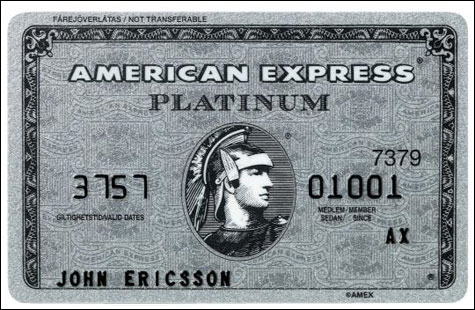
Why You Should Consider a Business Platinum Credit Card


A business platinum credit card is not one of the regular business credit cards with a unique feature where not only you but your business also benefits from it. Apart from offering various freebies and discounts, what makes a platinum credit card special is its low interest rates and the flexibility it offers.


Benefits & Features


A business platinum credit card allows you to vary your spending every month and gives you the flexibility of spending without present limit, which makes it easier for you to spend the amount that you need. This credit card offers you flexible payment options, with features like paying less when the rate of investment has plummeted. Moreover services of the credit card can be extended to the employees as well. The regular payment of the due amount within due date can work towards imposition of lesser interest rates by the credit card company. This in turn enhances your credit limit and a good credit history.


Platinum credit card’s strength is security provided by it to the consumer; that is you pay only for the authorized purchases. There is an option of getting a customized credit card wherein you can pick and choose the services and the adjoining offers, discounts and bonuses. You can avail benefits, such as, collision damage waiver, coverage for vehicle rentals, emergency cash disbursements and card replacements with minimal additional amount. This business credit card can be a useful way of tracking the spending habits of your employees and yourself as well. The regular credit statements help you to prioritize your expenditure and designing the budget as well.


Frequent travelers can find it beneficial in more than one way, by using credit card for purchasing the tickets; you not only avail discounts but also accumulate flying points with every flight you take. These points then can be cashed or converted into a ticket. There are business credit cards offering cash-back as well, although the terms and conditions may vary with the company and the service on offer, but the benefits are more or less the same.


Zack Nelson recommends Find Credit Cards to find a business platinum card.

Why Go For a 0% Intro Rate Credit Card

Although really, the question should be, why shouldn't you go for a 0% intro rate credit card?

Before we dig into that question however, let's first concentrate and the merits of having your own credit card. Indeed, a lot of people who have never owned a credit card in their whole lives tend to disparage the necessity of owning one, saying that credit cards would just push you to a life of heavier indebtedness but really, how would they know that if they haven't yet tried owning a credit card?

Indeed, owning a credit card could lead you to being heavily indebted but that's only if you allow yourself to spend more than you should. It's not the credit card company's fault if you tend to spend beyond your credit limit, is it? And do consider the advantages of owning a credit card as well. There are a lot of instances that you find yourself short in cash. What do you do next if there's no one at the right place and time to lend you money? But you see, you don't have to worry about that when you own for yourself a credit card.

Besides that, owning a credit card also allows you to purchase something you truly love or desire but is beyond your present means. And after purchasing the object of your desire, you can simply opt to pay for it by installment! Without a credit card, you wouldn't be able to buy yourself a brand new mobile phone because it's way beyond your budget. But you need and want it now! Well, with a credit card, that dream can easily turn true.

And now, we turn to the focal point of our article: a 0% intro rate credit card. There are many types of credit card to choose from but we're concentrating on the 0% intro rate credit card because we believe it could be of benefit to you especially if there are some things that you want to buy but are quite expensive.

With that particular situation, a 0% intro rate credit card would be most advantageous because it would allow you to purchase what you have planning to purchase for quite a long time now and pay for it in installment without having to worry about exorbitant interest rates!

Make sure however that you get to pay for the full amount of your purchase well before the intro period is over so that there's no need to get anxious about the interest rates.

Which Credit Cards Should You Avoid

Just as there is no best credit card for everyone, there's no single one that stands out as the worst, or one to avoid. It's all about finding the one that fits your needs and your circumstances. It may be easy to say 'avoid any credit card that has an APR above x%' - but there are people out there who need a card and can only qualify for one with a high APR. If one doesn't compare credit cards based on APR or annual fee, then how does one determine which are best avoided?

Rather than putting together a list of credit cards to avoid, it's far more profitable to pay attention to a list of do's and don'ts that will help you select the best for your circumstances and situation.

  1. Know yourself. There are some very good comparison websites where you'll find guides to selecting the best credit card for your spending and money management style. In general, if you tend to pay your accounts in full each month, apply for a card that offers you rewards for using it on things you'll purchase anyway. If you tend to carry balances on your account, pay attention to the APR and avoid those with high APR's and late fees that kick in with a vengeance.
  2. Know the credit cards you're applying for. Do your homework before you make applications. Take the time to read cardholder agreements so that you know all the fees, penalties and conditions to which you're agreeing. In particular, look for the following - all of which have to be outlined in the card member agreement:

    - Annual fees or participation fees which will be charged to your new card. You'll be liable for the first year's fees even if you never use the card.

    - The APR (annual percentage rate) is the interest rate that will be charged on your outstanding balance. The agreement must also disclose whether the rate is fixed or variable, and if it's variable when and how often it can be changed, and how much notice they're required to give you.

    - Transaction fees for particular transactions, like cash advances, may be additional. Those need to be listed in the agreement.

    - Any monthly fees for your card. Some credit card companies charge a monthly fee whether or not you use the card.

    - The method used to compute the interest on your balance can make a big difference in the fees that you're charged. Knowing how and when those fees are computed can save you a considerable amount of money.

  3. Avoid 'fake' credit cards. Be sure to read all the information about the options you're considering carefully. There are some offers that imply that you'll get a major credit card with a large spending limit - but the card that you actually get is only valid if you purchase items from their catalog or online merchants. You'll pay a premium price for a limited number of products at high interest rates - and in most cases, you'll pay a high annual membership fee and monthly participation fee which you'll be billed for even if you never use the card.
  4. When you're looking for the best credit card, make sure you take the time compare all the options before making your applications.

    Jon Francis has been involved in various areas with the world of finance and has a keen eye for a bargin! He has an in-depth knowledge of the credit card UK market and now helps others get the best from a credit card. For more information visit ==>http://www.moneyeverything.com

Where and How to Get a Cash Loan

Having money is good… but sometimes you find that you simply don't have enough to do the things that you either want or need to do. When you find yourself in one of these situations, it may be time to think about getting a cash loan.

As the name implies, a cash loan is when you borrow money (usually in cash form, though it is often presented as a cheque as well for ease of transport and availability) which you must later repay with interest.

If you think that getting a cash loan might help you with your current financial situation but aren't sure exactly how to go about getting one, then consider the following a good first step to finding the cash loan that you need.

Determining how much you need

The first thing that you should do when looking for a cash loan is figure out exactly how much you need to borrow. This means that you're going to have to consider exactly what you need the money for, how much whatever you need the money for is actually going to cost, and how much of that money you'll be able to provide up front before you borrow.

You'll generally want to be able to cover at least a good percentage of the amount yourself, in order to minimize the amount that you have to borrow and then pay back with interest. Once you've figured out the total cost minus the amount that you can cover yourself, then you'll know how much you're going to need to borrow.

Finding potential lenders

Next, you're going to have to take a little time to scope out potential lenders who might be willing to issue you the cash loan that you want. Take some time and find out what lenders are available in your local area, making sure to consider both traditional lenders such as banks and other lenders such as finance companies and automotive title lenders. Realize that each lender might have different requirements for issuing a cash loan, and that each will likely have different interest rates and repayment terms depending upon the item that you're using as security for the loan, if any.

Comparing loan offers

Once you've compiled a listing of potential lenders in your area that might issue you a cash loan, it's time to start shopping around for loan offers in order to determine which lender is right for you. Use the same collateral for each loan quote, and make sure that you request the same amount… after all, you want the different loan offers to all be on the same level so that you can get a better view of which one is truly the best loan.

Carefully compare the different loan offers that you receive to each other, judging them not only on the interest rate that each lender offers but also the repayment terms including the time that you have to repay the loan and what payment options are available to you.

By shopping around for loan quotes and carefully comparing the quotes that you receive, you're more likely to find the best cash loan that you can get in your local area. Just be sure to make your loan payments on time, and try your best to pay more than the amount owed on your payments… after all, this can help you to pay off the loan faster, and can save you a lot of money on interest.

You may freely reprint this article provided the following author's biography (including the live URL link) remains intact:

When Will the Loan Application be Approved

Some people may urgently be in need of a loan to cover emergency expenses. But when they apply for a loan, how long will they wait to have the loan approved and the money sent?

A loan is sought by people for various needs. Sometimes, a loan is needed to send a person to college. And sometimes, a loan is utilized to cover the expenses of a vacation. In both cases, the need for the loan is planned for a long time. However, there are cases when applying for a loan was not part of the plan. This is because sometimes, a loan is sought by people not for the regular daily expenses but for an unexpected and emergency need for extra funds.

In such cases, time is also important. That is, the loan applicant needs to know if applying for a loan from a certain lending company will make the money arrive at the time when it was needed most. Thus, the question that needs to be answered is “how long will a borrower wait for the loan amount to arrive?”

The borrower need not wait too long

When a person decides to apply for a loan online, they will spend only a few minutes filling out the application form. This online application form is usually user friendly. A person who is already familiar with Internet may take only a mere five minutes. While a person who is relatively new to the Internet may take a little longer.

Once the online application form is submitted, the loan applicant must wait for a few days before receiving a response from the lending company. Whilst waiting, the borrower is advised not to apply for more loans. The loan applicant is restricted to waiting for an email notification of the lending company’s decision.

The Written Confirmation

The email notification may arrive the day after the application has been submitted. But the email notification is just a conditional decision of the lending company. This is because a lending company in the UK must still send a written confirmation of its decision of granting the loan. Such a written confirmation usually arrives in less than a week. With the confirmation letter, other forms are also sent by the lending company. These forms must be signed and returned. After this has been done the loan amount will be paid out.

Other services that add convenience

To make the process faster, some lending companies offer several services. One service is the courier service. The courier service is supposed to safely deliver the cheque. Another service is the direct transfer of the money from the lending company to the borrower’s bank account. This certainly reduces the hassle of cashing the cheque. All services are meant to make the process more convenient for the borrower. But the borrower is usually charged an amount for these services

You may freely reprint this article provided the following author's biography (including the live URL link) remains intact:

When the Payday Loan is Denied

Most people who submit requests or applications for payday loans are approved during the day and they receive the amounts they loaned during the next day. This is because lenders demand only the minimum requirements. There are, however, few instances when the loan application is denied. Here are ten reasons why a person’s loan application is not approved.

1. The potential borrower is not holding a job. The payday loan is a loan against the wage that an employed person receives. Without employment there is no payday and no capacity to pay the loan.

2. The potential borrower has filed for bankruptcy during the year. While lenders do not check a person’s credit history, they are concerned about the person’s capacity to meet his financial obligations. A bankruptcy is a declaration that the person can no longer support himself financially. And one year is not sufficient time to recover from such financial mess.

3. The potential borrower has been employed for less than the required number of months. Most payday lenders require a client to be holding his current job for at least six months. If a person has been employed only for five months and he needs a payday loan, he must search for a lender who will likely accept his present employment situation. There are a few lenders who require a client to be employed only for at least three months.

4. The checking account of the potential lender is relatively new. Payday lenders prefer clients who are fairly stable and a good indication of this financial stability is a checking account which is at least three months old.

5. The monthly net income of the potential borrower is less than the required income. The required income is usually $1,000. If a person receives less than this, the lenders will assume that he will not be able to pay any amount that he will loan.

6. The potential borrower has a considerable number of overdraft fees and/or NSF in his checking account. Such will alarm the lenders because the NSF and overdraft fees indicate that the person is not a dependable borrower.

7. The potential borrower has unpaid payday loans or returned checks. Similar to the previous situation, these outstanding loans will urge lenders to deny the application.

8. The identity of the potential borrower cannot be confirmed. This often happens when the borrower uses a false name or provides inaccurate information. This also happens when the contact information provided by the person cannot be used. Obviously, the lenders will not release funds to an unknown entity.

9. The payday lender cannot easily or directly establish the bank account information provided by the potential borrower. The lender tends to assume that the bank account no longer exists or is not valid.

10. And lastly, the potential borrower receives his wage once a month. Payday loans are short-term loans and the loan period is usually within 18 days. Employees who are paid monthly do not satisfy this requirement.

If a person’s loan request is denied but not due to any of the ten reasons above, he should contact the payday lender and ask for details.

Grace Palce is writing short term loan and cash advance articles for the same day payday loan site and faxless payday loan articles for her other site. Besides maintaining her own sites she has also guest-written several articles for the Credit Repair Guy's site.

Tags: , , ,

When Investors Say No - Maybe Your Bank Will Say Yes (with a Little Help from the Government)

Small Business Administration (SBA) loans are provided to loan seekers under section 7(a) of the Small Business Act. This Act gives power to the Agency to sanction loans to American Small Businesses. Founded on July 30, 1953, the U.S. small Business Administration has provided loans, loan guarantees, contracts, counseling and other type of assistance to small businesses. Most American banks and non-banking lenders participate with SBA in 7(a) loan program.

SBA loans are provided to the borrowers against a guarantee for a percentage of loan amounts, if deemed necessary by the SBA loan providers. In case of default, the Agency is, in no way responsible to pay the entire amount – it only reimburses the guaranteed amount to the commercial lender. The borrower is obligated to pay the entire loan. The Government or the Agency (SBA) can neither offer loans as it does not have resources nor can it compel the lender to provide the loan. A loan applicant should contact the lender directly and not SBA.

Loan seekers repayment ability is the top consideration in sanctioning these loans. Other important considerations like good character, management capability, collateral and business owner equity also play an important role in sanctioning of a loan. Apart from the above conditions, the eligibility requirements are quite flexible and accommodate a varied range of small business financing. Factors like size, type of business, use of proceeds and availability of funds from other sources are taken into consideration. Business should be earning profit and should not already be using its internal sources. The business head, is required to submit a “Statement of Personal History” to check his past credit record and other tangible matters and to prove his credit worthiness.

There are certain provisions that apply to most of the SBA loans. Variations can occur for some loan programs such as the limit of maximum loan amount to be provided, maturity terms, rate of interest applied, percentage of Guaranty, Loan fee charged by SBA and pre-payment penalties. All these terms and conditions are settled between an applicant and the participating financer, according to the requirements of the SBA.

Learn more about the SBA loan program for your startup company (programs for minority and woman owned businesses): http://www.hjventures.com/sba/sba-loan-terms.html

About The Author
Howard Schwartz is a partner in several business strategy groups, including HJ Ventures International, Inc. Howard has worked with hundreds of entrepreneurs worldwide with a focus on writing Business Plans for companies interested in raising capital from Venture Funds and Angel Investors. Howard’s business plans have secured several million dollars in funding. For more information:

What You Want to Know About Credit Cards

Having your own credit card is wonderful so if you've gone past your eighteenth birthday and you still haven't had your own plastic money, well, it's time to modify that particular reality. There are so many advantages to owning a credit card. First of all, it lets you spend and avail of something that may be presently beyond your budget.

Isn't it frustrating when you find yourself handling some sort of emergency and you realize that you don't have enough money to keep yourself out of trouble? You, of course, look back and remember the time that you had excess money and since there were no pressing financial problems, you went on ahead and splurged on clothing, accessories et al.

Now you regret your past behavior but regret is useless. With a credit card, however, your situation might just be salvaged from further disaster. Secondly, if you own a credit card, you may also put into use your cash for more important purposes without having to sacrifice anything. With a credit card, you can pay off your student loans with cash and still get to buy those expensive medical books you're required to read for the new semester.

Thirdly, with a credit card, you'll feel much safer when going out alone because even if your purse got stolen, you know you didn't bring a large amount of money with you and as long as you call your credit card company right after, there's no way that anybody will be able to use your credit card.

Now, if I've convinced you about the need for credit cards, there are several ways to make sure that your credit card application gets approved. First, you have to be of legal age, presently working and with a steady source of income. Your income level determines the credit limit of your credit card. Secondly, do check on your credit history because that could also affect your credit card application.

If you're approved, the next thing you have to focus on is the type of credit card that would best suit your needs. Would you like a credit card that offers reward points every time you use it? This would suit you very well if you already know that you and your credit card are going to be the best of friends in the near future. If you happen to travel a lot, then you might be better off with a credit card that offers free air miles in lieu of reward points.

John Mussi is the founder of Direct Online Loans who help homeowners find the best available loans via the http://www.directonlineloans.co.uk/ website.

Tags:

What You Should Know About Your Credit Card


Knowing how a credit card works is important as this is the only way you can make the card work for you rather than the other way around. While making a choice on the right credit card to pick, you should consider the following attributes before deciding.


Annual Percentage Rate

Not every credit card is equal as proven by the wide range of annual percentage rates (APR) available in the credit card market. As the APR is the interest rate charged to you on top of your credit card charges, greater delays in your payment will result in higher interest rate charges. Thus, it is important to always clear all your outstanding balances as soon as possible. Allowing the balance to snowball will not be wise as your outstanding balance may one day grow to a value that may be difficult for you to eradicate.

Grace period

The grace period is a period of time within a billing cycle where no interest rates are applicable to your credit card charges. Cards with no grace periods charge you daily interests commencing from the day you make a purchase with your credit card. The interest rate accumulates as the days go by until you pay off your outstanding balance. Other cards may provide you with a grace period (usually within a month) to pay off your charges before interest rates are applied.


Fees

Apart from the APR, there are also multiple miscellaneous fees that will be charged to your account when you use your credit card. Usually, a card with a low APR may incorporate higher annual fee charges and vice versa. The trick is to know which package allows you get the best value out of your card. For instance, if you are punctual with your payments then getting a high APR card with low annual fees would be a good idea. This way, you will not be affected by the APR when you clear all your outstanding balances within the grace period and you will not lose out on high annual fees for using the card.


Rewards

Due to the high competition between credit card providers, most credit cards come with reward programs to ensure customer loyalty. Some credit cards allow users to gain a percentage of their cash back based on the special purchases they have made with the cards. Other programs award flight miles, providing credit card users a chance to claim a free air ticket to pre-selected destinations


Adam Goldman recommends Find Credit Cards to find a MasterCard card application.

Tags: ,

What You Can Gain from a Reward Credit Card

If you take the time to notice it, you'd see that there are a lot of advertisements going on about reward credit cards. If you've never owned a credit card and you're thinking about applying for one, the first thing you should know about is what type of credit card is the optimal choice for you.

There are just two major types of credit cards that you should concern yourself with - reward types and of course, non-reward types. The latter, instead of offering their clients reward points, allow them to enjoy paying low interest charges for the purchases they make with the use of their credit cards.

The primary focus of this article, however, shall be the reward credit card.


The Type of Person Best Suited for a Reward Credit Card

If you're not aware of it, let me tell you right now that reward credit cards have higher interest charges than the non-reward credit cards. But if you think about it, that's a logical move in the credit card company's part because in exchange, they're offering you a whole range of free products to choose from, items that you could win just by using your credit card.

If you find yourself uncomfortable with the relatively higher interest charges of reward credit cards then naturally, it may not be in your best interests - pardon the pun - to apply for one.

There is a trick however when it comes to reward credit cards. If you pay for your purchases on time or in the least amount of time possible then of course, you won't be bothered as much - or not at all, even - by the interest charges.


The Types of Rewards That You May Win

Day by day, credit card companies are thinking up of new and better items to offer their faithful clients to encourage extensive use of their credit cards. From a brand new flat screen TV to an all-expense-paid-Europe-tour to free opera tickets, it's a rare chance that a credit card owner would find nothing to their liking when it's time to use their reward points.


To sum it up, if you're addicted to gaining free items with the least amount of effort and you're not necessarily bothered by the possibility of being charged with a high interest rate just in case you don't pay on time, by all means, please apply for a reward credit card as soon as possible. It just may be that you and a reward credit card is a match made in heaven.


You may freely reprint this article provided the following author's biography (including the live URL link) remains intact:

What To Do If You Can’t Pay Back Your Loan

Although it can be hard to face, not being able to pay off your loan debt is something that many people have to come to terms with. If you are in this situation, then it is important that you try and sort it out as soon as possible. The longer you leave the problem, the worse it will get. If you cannot pay back your loan and need help, then here are some tips to help you on the road to recovery.

Admit defeat

If you really are struggling and cannot make your repayments, it will only harm you to carry on struggling. You will have to pay late fees or extra payments, and your debts will get worse. Do not try and cover your loan debts with other types of debt like credit cards, as you are just making the problem worse. Admit that you are struggling and start taking steps to change the situation right away.

Contact your lender

The first thing to do if you are having problems is to contact your lender and try to work out some sort of plan. Although lenders are a business, they are often sympathetic to your situation and might be able to help by deferring or temporarily stopping payments. Having your payments stopped for a few months might be all that you need to get back on track. If you can show your lender that you can solve the problems, they should be able to help you.

Pay what you can

Even if you cannot pay the full amount back each month, you should always try and pay what you can back. The debt you have is not going to go away, so paying back what you can will still help to reduce the problem, even if it is not the full amount you should be paying back. Lenders will look more favourably on you if you are seen trying to pay back as much as you can.

Seek advice

If your problems persist, then seek some independent financial advice to try and help you through the problem. There is free advice available, and it could help you to learn where you are making mistakes that you could change in order to pay back more of your loan amount.

If the worst happens

If the worst happens are you are forced to sell your home or are taken to court, try and deal with the situation properly. Although this is obviously a very hard time for you, make sure you keep a level head, and respond to all paperwork and requests promptly and accurately. Although the situation may seem bad now, if it helps you to become free of debt it will be worth it in the long-term. If you cannot pay back your loan, then seek advice and help, and always pay as much as you can do each month.

Peter Kenny is a writer for thriftyscot.co.uk Please visit us at Loans and Poor Credit Loans Visit

What Loan to Get

There are many kinds of financial tools out there to incorporate into your financial portfolio. You might consider stocks or bonds or even your bank account as potential investments. But your financial portfolio also includes such things as insurance and estate planning.

Do you ever stop to consider that your financial portfolio may also include a loan? It's true. A loan can be a wise financial decision for many people. What follows are a selection of loans that you might consider incorporating into your financial portfolio. Just like any other financial tool a loan is only good in moderation. Just as you don't fill your financial portfolio with insurance, you wouldn't stack up loans if they become available.

Before you decide which of the best loans for you consider the two types of loans available. Unsecured loans are loans that do not have any assets to guarantee them while secured loans are loans that are backed up by assets and assure the lending institution they will recoup their losses if you're unable to pay back the loan. In many cases, a secured loan is the best loan to get.

So what kind of secured loan should you get? You have many choices. If you have debts that are out of control you may consider getting a debt consolidation loan or a bad credit loan to help you pull together all of your outstanding debts and turn them into a single fixed monthly payment at a lower interest rates. You'll be surprised at the money you save by lowering your rate, lengthening the term to repay, and arranging for a fixed monthly payment rather than receiving many monthly payments in the mail.

Another kind of secured loan you may want to consider is a home improvement loan. A home improvement loan is designed to help you leverage your borrowing to increase your investment in your home. You can do this by getting a home improvement loan and fixing up your house so that when you sell the value of your house will rise. Some people may wonder why you would borrow money only to have to pay it back to improve the value of your house but it is not a zero sum equation. Rather, your house increases in value at a greater rate than the money you spend to improve it! That's leverage!

Finally, there are other kinds of loans you may want to consider as well. These are just regular loans will help pay for things that you want but that you do not have money for right now. For example, a vacation or an emergency or a fancy sports car! Whatever it is you decide to buy, using a secured loan will help you get it at a reasonable rate and an affordable repayment term.

Mark Lambie is the founder of Loan Source, a website for UK residents seeking secured loans. Visit our website today for a free Secured Loans quote quote and find out how much we can save you.

Tags:

What is a Secured Loan


A secured loan is a loan that is secured by cash or material that is worth the same amount of, or more than, the size of the loan.


People that have less than perfect credit often take out secured loans. If you have bad credit, then this type of loan can help you on your way to reestablishing your credit rating. However, you can expect that the interest rate attached to your loan will be higher than loans that do not require security.


Your credit rating is an indispensable tool for your finances. The higher your credit rating, the better off you are, and can be, financially. In the case of an emergency, you may need to take out a loan. Chances are that you did not see the emergency coming and perhaps were not financially prepared for such an occurrence. It is nothing to be ashamed of, it happens to many people. However, if you have a poor credit rating, it may be nearly impossible to get a loan to cover the cost of the emergency.


This is when a secured loan comes in—there are many types of secured loans. In most cases, car loans are considered to be secured—the lender or dealership effectually owns the car until you have finished paying for it.


No Risk Loans

Secured loans are also considered no risk loans. Regardless of what your loan is secured with, either cash or material goods, the lender has protected themselves by having a lien on the security until you have paid the loan in full.


If you default on the loan, the lender has the right to take the security to pay out the loan you had taken out from them. They can, and will, repossess your vehicle, your home, your television set, or the cash deposit term that you secured the loan with.

Secured loans are not to be misunderstood as an easy way out. They often come with a much higher interest rate and are not inexpensive to pay for. Having bad credit and trying to reestablish your credit with a loan of this type is not a cheap endeavor. However, by increasing your credit rating today with a loan, you will be able to get a much better interest rate on your next loan.

Home Equity Loans

Another type of secured loan is a home equity loan. Essentially, the loan is secured with the equity you have built up by paying off the mortgage on your home. Equity is technically cash in the bank, but it is not liquid or available unless you take out a home equity loan. This loan, just like your mortgage, is secured by your home’s value and worth. If you default on the loan, it is possible that they will foreclose on your home to recoup their money. Home equity loans usually offer a larger sum of money and are usually dependant on the equity you have built in your home—the more equity you have built up, the more money you can get in a secured loan.


You may freely reprint this article provided the following author's biography (including the live URL link) remains intact:

What is a Platinum Credit Card

You may have heard one of your mates boasting that they've been approved for a platinum credit card and wondered exactly what all the hullabaloo and fuss is over. Usually, it means that your mate is to be commended for keeping his or her accounts well in order but aside from that, each company that issues cards has different standards and features for their platinum cards.


First, understand that most finance companies that issue credit cards have many different products. Each of them allows you to make purchases on credit, but they each have different features that are unique to that particular card. One may offer a lower interest rate, but trade it off with an annual membership fee, while another may have a slightly higher interest rate and no fee as well as discounts for purchases made a particular merchants. Many of these companies offer a platinum credit card that is loaded with features for their best customers.

Each company's platinum credit card is different. In fact, many companies offer more than one version. In general, it has a high spending limit, low interest rates and special features that are designed to make it attractive to those who use often. Those features may include cash back, special rewards, membership in discount clubs or auto clubs and even special rates on automobile or life insurance. They also, however, often have an annual membership fee you must pay in order to keep your card, which may make them less attractive than a less prestigious card.

In other words, even though these types of cards often require impeccable credit, don't automatically assume that a platinum credit card is the best card for you. Depending on your reason for wanting a credit and your circumstances, another type of credit card may be the better choice. If you're carrying outstanding balances on other cards for instance, you may do better with a balance transfer card that offers 0% interest rates for balance transfers. You may find that an option that offers a discount on petrol prices is the best choice for you if you travel a lot, or you may prefer something that's linked to your favourite charity.

Before you make your application, it pays to compare all the features and charges of one against another. At moneyeverything.com you'll find listings of dozens of credit card offers from all the major companies in the UK. You can compare interest rates, annual fees, cashback and rewards and other incentives online to help you choose the best credit card for you.

Jon Francis has been involved in various areas with the world of finance and has a keen eye for a bargin! He has an in-depth knowledge of the credit card UK market and now helps others get the best from a credit card.

Tags: , , ,

What Is a Loan-to-Value Ratio


If you've ever taken out a loan, you might wonder exactly what standard it is that banks and other lenders use to determine whether the collateral that you offer is good enough to secure the loan that you request and how much interest they're going to charge you for that loan.


One of the major factors that is used in making this determination is the loan-to-value ratio, which helps to tell a potential lender exactly how much of a risk they might be taking in issuing a particular loan based upon the collateral that is being used.


The loan-to-value ratio can be a major factor in loan approval decisions, but in the end it's simply a comparison of how much certain collateral is worth compared to how much an individual wants to borrow.


The information provided below should shed a little more light on this important but often overlooked consideration.


Looking at the Ratio


In order to best understand how a loan-to-value ratio works, you should take a moment and consider exactly what the name of it implies. If the loan that you're requesting is for more than the value of the collateral (hence, loan-to-value), the likelihood of the loan being approved isn't very good especially if you have less-than-perfect credit. The loan amount divided by the collateral value (to get the ratio) ends up being a number larger than 1… that's bad. If you take the other option in this scenario and request a loan for an amount that is much less than the value of the collateral, then the ratio ends up being a number that's less than 1. The smaller this number is, the better.


In order to determine the percentages involved in this ratio, simply multiply your result by 100. If the result is over 1, then the requested amount is over 100% of the collateral's value. You want to be well under 100%, since if the lender has to take possession of the collateral and put it up for sale they'll have additional expenses that also need to be covered by the value of the collateral.


Determining Collateral Value


While you might be able to have your collateral appraised in order to determine the value, lenders are likely to use their own appraisers or the standard market value of similar items if the standard market value can be determined. This includes the “blue book” value of vehicles, as well as the going rate in standardized value guides for most collectables.


To make matters worse, lenders also look at the availability of a market for the collateral item… the harder it would be for them to find a buyer for the item in question, the lower the loan-to-value ratio needs to be. You should keep this in mind when determining your collateral for your loan and attempting to find a standard value for it.


Optimizing Your Loan-to-Value Ratio


In order to get the most out of your loan-to-value ratio, it's important to try to use a high-value item with an easily-accessible market as your collateral. Vehicles, real estate, and home equity are common forms of collateral in large part due to their relatively high value and the ease of working with them should the lender need to take possession.


If you can't seem to get the collateral value where it needs to be, you can also reduce the amount that you're asking for in the loan… this will also help to bring down the ratio and make you much more likely to be approved.


You may freely reprint this article provided the following author's biography (including the live URL link) remains intact:


About The Author


John Mussi is the founder of Direct Online Loans who help homeowners find the best available loans via the http://www.directonlineloans.co.uk/ website.


Tags: , ,

What Is A Lawsuit Loan Cash Advance

Did you know that if you're involved in a personal injury lawsuit that the cards are stacked against you? Most of the time you'll have to settle for much less than you are legally entitled to because you won't have the financial ability to hold on long enough for your attorney to get the most money for you.


Knowing this, your opponent, usually a large corporation with a battery of defense lawyers, will "starve you out" and, finally, offer to settle for pennies on the dollar.


You won't have a choice because you may be off work with bills piling up and your mortgage falling behind.


We've all known people, either friends or relatives, who have lost everything trying to wait for their settlement to come through.


Good News


A lawsuit loan cash advance can come to the rescue. A lawsuit cash advance requires no credit checks or income verifications. You don't have to make monthly payments. It's due as a lump sum when you receive your settlement.


Lawsuit loan cash advances are made on a portion of what the lender reasonably expects you'll be able to settle your case for. Typically, it will be 10%-15% of that amount.


While the repayment rates on these kinds of loans are much higher, you can understand that the risk is extremely high for the lender. One reason is that if you don't win your case, you don't have to repay the cash advance.


Some of the common types of lawsuits that can qualify for a lawsuit loan cash advance are: Accident, Breach of Contract, Civil Rights, Class Action, Construction Negligence, Legal Malpractice, Motor Vehicle and Passenger Injury, Medical Malpractice, Pharmaceutical, Product Liability, Trucking, Workers Compensation and Wrongful Death.


There are several companies who offer these types of loans and it might pay you to check a few before deciding on one. Another alternative is to use the services of a lawsuit loan broker such as http://www.lawsuitloancash.com/. They have access to most all of the reputable lenders and it won't cost you anything to deal with them because their fees are paid by the lender as a percentage of the loan amount.


If you or someone you know are involved in or contemplating a lawsuit, you might want to check out the lawsuit loan cash advance as a fallback measure prior to letting yourself fall behind the 8-Ball.


Jim Roman is a consumer awareness writer and he enjoys living in Nevada with his lovely wife of 42 years. He is an avid water sports enthusiast and enjoys the beach, golf and in the winter, snowmobiling.

What Does A Personal Secure Loan Really Mean


Most people have no idea what a personal secured loan really is. It is actually just a fancy term for a generic loan or a homeowner’s loan. The lender gets their security on the loan from the borrower in the form of some type of secured property, such as one’s home or land. The personal secured loan does not rest on the promise of payback alone. You would have to have some type of collateral that the lender can seize in the case of default of payment.


A personal secured loan allows home owner’s to barrow against the value of their property to be able to make repairs, buy other necessities or wants such as a appliances, carpeting, a holiday, a new car, etc. The lender has much less of a risk of losing money and can also offer the borrower a much lower interest or APR rate. Many people who look for a secured personal loan use this money to consolidate all their other debts in exchange for one lower monthly payment.


With a personal secured loan you can choose a more varying time frame to repay the entire loan. This can range from 5 to 25 years in some cases or even in lump sums if you wish. The more you can pay on the secured personal loan the less time it will take you to repay it and the less interest you will have to pay. You may be able to borrow as little as ฃ5,000 or up to ฃ90,000 plus, depending on the value of the home and property.


Having the security on your personal loan will also make the lender more lenient with you when those little emergencies arise. . If for some reason you are having trouble keeping up with the repayments the lender will be much more willing to work with you. A lender of personal secured loans will not accept late or skipped payments though.


So make sure before you take out a personal secured loan you have thought out how much you will be able to afford each month and the exact amount of money you can afford to borrow. You will not want to be stuck with a foreclosure.


The foreclosure of a home due to default payments is a devastating thing to any family. Be sure to consider your finances and monthly bills prior to applying for a personal secured loan. Be realistic in what you make and spend per month to be absolutely positive that you will be able to make your loan payments on time and in full.


You may freely reprint this article provided the following author's biography (including the live URL link) remains intact:

What Do You Mean, "No"! Why Was I Rejected by The Credit Card Company


Sometimes the process of getting a credit card seems mysterious. Occasionally, people who have been granted a $20,000 loan (e.g., to buy a car) are then rejected for a credit card with a $5,000 limit.


This can be confusing. The misunderstanding arises because most people see a credit card (which is revolving credit) as being the same as a personal loan (which is instalment credit). These two types of credit have very different characteristics and are treated differently by financial institutions when they are determining whether or not to approve your application.


While an instalment loan is for a fixed dollar amount and term with a regular payment schedule, a revolving credit account, such as a credit card, is open-ended and may be used whenever you want for a variety of purchases or a cash advance. As well, credit cards are generally completely unsecured. (Some are secured and we'll look at these later.)


While most people don't see the difference, statistics show that people treat them quite differently when it comes to repayment. People's priorities in terms of repayment are usually:


1. mortgages
2. installment loans
3. revolving lines of credit, such as credit cards


This means that should your financial circumstances change, you will be more likely to make your mortgage and instalment loan payments than your credit card payments. So credit cards run the highest risk of default. As a result, financial institutions consider all the information on your credit application very carefully before giving you a card.


Credit cards offer people what appears to be easy credit. With minimum payment requirements, credit cards can actually be detrimental to your credit rating if misused.


Some people don't even think of using a credit card as borrowing. After all, there's no long approval process each time you want to charge something. You just charge it and cachunk, cachunk. That's why financial institutions are so careful. That's also why credit limit increases are only considered once you have demonstrated an ability to manage your current limit. And that's one reason the interest rate charged on a credit card is so much higher than on other forms of credit. The second reason is fraud.


Credit card issuers experience enormous problems with fraud. They have to cover their losses in some way, and a higher rate of interest is one way to do it. Perhaps if the use of a Personal Identification Number (PIN) or a photo ID on the card becomes a standard, issuers will see fraud costs drop and we will benefit with reduced interest rates. But that's the future.


Most financial institutions use a sophisticated tool to help make the best credit-granting decision. Referred to as "credit scoring," the system assesses a number of items on your application form and gives you points for each item based on the institution's past experience with similar customers. The points are totalled to obtain a credit score. Using credit scoring, the credit decision is based on a combination of factors, rather than just one or two factors. Customers who meet the minimum score requirement are granted a credit card and assigned a starting credit limit.


What are Instant Credit Cards

Apply for a credit card online today! Instant approval! Gone are the days of sending for a credit card application and sending it off in the snail mail, then waiting weeks for an approval decision. Thanks to the internet and online credit approval systems, all it takes to get instant credit anywhere, anytime is good to excellent credit.

Before you go storming the internet to get YOUR instant credit card, though, there are a few things that you should know.

An instant credit card approval offer is designed specifically for those who already have established credit, and who keep their credit records spotless. If you're in that segment of the population, you can apply for a credit card online and have an approval within less than five minutes. Once you're approved for credit, you'll be issued a card number which you can use to shop online or by phone even before your plastic card arrives in the mail.

If your credit record has missed or late payments on it, or if your income doesn't fall within the ideal guidelines, then the issuing company will treat it as a regular application, doing a full credit check before making a decision for approval and rejection. The whole instant approval process makes it far too easy to apply for credit cards on impulse without considering the consequences, or even comparison shopping to find the best deal on a credit card.

And in fact, many people will wave you along and even nudge you toward applying for instant credit with promises of big discounts if you make a purchase today or a free gift for filling out our application. After all, they'll tell you, what can it hurt? All they can say is no! And they just MIGHT say yes.

The unfortunate answer to 'what can it hurt?' is 'your credit'. Here's why. Every time you apply for a credit card, the issuing company checks your credit score. With instant card approvals, they can run an abbreviated check, but it still shows up on your credit record that you applied for a credit card. Even if you're not instantly approved, even if the end result is that you're denied credit, the credit reporting bureaus note on your record that you applied for a card. Too many applications for credit cards signal one of two things to a lending company - either you're shopping around for credit because you're in financial trouble, or you don't take credit seriously and responsibly.

Does that mean that you shouldn't apply for instant credit online? Not at all! It simply means that you should take the application seriously enough to do it the right way.


  1. Know your credit score. Knowing your credit score can help you choose a credit card that's aimed at people in your general credit range and avoid bunging up your credit record with applications for cards you'd no hope of getting in the first place.
  2. Do your research. Don't apply for just any instant credit card offer. Visit moneyeverything.com to compare instant credit offers and apply for one that suits your spending style and your chances of being accepted.
  3. Before you apply, spruce up your credit. I know, I know - that seems to defeat the whole purpose of getting an instant decision. Remember though, just because you want THEM to make an instant decision doesn't mean that you should.

    If you take the time to do some quick credit repair, you'll enhance your chances of being approved online in just a few minutes.

    Jon Francis has been involved in various areas with the world of finance and has a keen eye for a bargin! He has an in-depth knowledge of the credit card UK market and now helps others get the best from a credit card. For more information visit ==>http://www.moneyeverything.com

How Will the Loan Application be Accepted


Before applying for any personal loan, the borrower must be aware of the lending company's requirements and must be able to meet them to ensure that the loan application will be approved. And the foremost requirement is a good credit rating.


When a loan application is denied, the borrower may lose all hope or rashly choose the lending company that is not offering the best deal. What this borrower must do is to step back and reconsider the whole situation, before sending another loan application.


The Credit Rating


For unsecured personal loans, the one thing that makes or breaks a loan application is the credit rating of the applicant. The credit rating of the applicant is the one thing that financial institutions and lending companies use to determine if the loan applicant has the ability to pay the loaned amount. A person with good credit rating is assumed to be a person who can pay the loan. While a person with bad or poor credit rating is considered high risk.


This means that a poor credit rating becomes the deal breaker in many applications for unsecured personal loans. That is, a lot of loan applications are denied due to a poor credit rating. This means that a person planning to apply for an unsecured personal loan must first make sure that his credit rating is unblemished.


Keeping the Credit Rating Good


Making sure that the credit rating is in good order is important so that the loan application for a personal loan is approved. But how will a person know that their credit rating will withstand the scrutiny of various lending companies. To have a general idea, here are the things that may adversely affect the credit rating.


• Making late payments can drag down a person’s credit rating. These recent late payments for utility bills, credit cards, and other types of loans will negatively reflect on the person’s credit record.


• Being denied or turned down by other institutions can adversely affect a person’s credit rating. That is, if the person has already applied for another loan and has been denied, and if a person has applied for a credit card and has been turned down, such events will also negatively affect his credit rating.


• Acquiring a CCJ or County Court Judgment is a sure sign that the credit rating is not considered good.


You may freely reprint this article provided the following author's biography (including the live URL link) remains intact:


How To Use The Credit Card


Thinking about how to use the credit card is the initial step in the choice of a credit card.

When full payment of monthly bill is expected and card features like flyers miles are not in the interest of the customer, a card with a waived annual fee and longer grace period is the best option.

When balance is carried over to the next month, a card with a lower interest rate may be more appealing.

When card will be used for cash advances, the preference can be a card with a lower APR and lower charges on cash advances. Higher APR for cash advances are charged by some cards for cash advances than purchases.

The grace period is the amount of days needed to settle the bill in full without incurring finance charges.

Only new purchases are given grace period. Cash advances as well as balance transfers do not have a grace period rather charged interest at the onset.

When balance is carried over from the previous month, a grace period will not be given for new purchases. Instead, interest will be charged immediately on the moment a purchase is made and on the previous unpaid balance. Information on computing balances for new purchases is included in the application form.

The finance charge is the payment amount for the credit used. It is dependent on the outstanding balance and the APR.

In calculating the outstanding balance, several methods are used by credit card companies. It makes a big difference on the finance charge to be paid by the customer.

A minimum finance charge is given by some credit cards. The minimum fee may still be charged even if there is a lesser finance charge. It is only applied when a finance charge is to be paid meaning there is a previous balance from the last billing cycle.

Several kinds of cards are offered by many credit card companies:

Secured cards entails deposit as security. The higher the deposit, the higher is the credit limit. It is usually offered to people who have previous credit problems or limited records.

Regular cards, do not entail security deposits and with minimal features. They have higher limits on credit compared to secured cards but lesser credit limits than premium cards.

Premium cards (gold, platinum, titanium), provide higher credit limits and additional features such as warranties on products, insurance on travel and emergency services.

You may freely reprint this article provided the following author's biography (including the live URL link) remains intact:

How To Really Avoid Credit Card Fraud

Sadly with the proliferation of identity theft, credit card fraud has started to reach new heights in terms of the number of consumers affected by this despicable act. Unfortunately, the reality proves that credit card fraud is a relatively easy way to steal from unsuspecting folks. With almost every consumer now possessing a credit card and with over half of those individuals routinely using their card on a daily basis to make purchases, the conditions have never been better for someone to obtain a name along with that person's associated credit card number. In fact, in some cases the store employee at the checkout lane that actually scans the credit card used to make a purchase turned out to also be the same individual committing the credit card fraud.

I use my credit card constantly everyday so if you're anything like me I'm willing to bet you would have a hard time remembering everyone that has had access to your credit card. The scary fact is, that anyone of these individuals that has been given the opportunity to view your credit card can now attempt to engage in credit card fraud with your private account. Fortunately, there are some precautions that you can take in order to minimize your risk of becoming a credit card fraud victim and suffering all of the problems that can be associated with this crime.

Always make sure to tear or preferably shred any credit card receipt that has your personal information on it once you determine that you will no longer need the receipt. Try to limit the instances where you are forced to give your credit card number or account information over the phone. Be especially cautious if you are placed in a position of having to rely this information to someone that you don’t know or feel unsure about. The bottom line is nobody can force you to give your credit card information out if you don’t feel inclined to freely do so.

Another precautionary measure you can take is to always check your end of month credit card statements. Ideally, you want to look for any charges that seem suspicious in nature or that you can’t seem to recall. Generally speaking your credit card's customer service department will readily help you to rectify any situation and they will truly appreciate the opportunity to prevent any form of credit card fraud from taking place.

Because identity theft has become so common place many credit card merchants now offer a credit card fraud protection plan that you can usually purchase for a minimal fee. Although this protection will cost you a few dollars in the short term, the peace of mind it offers is well worth the price, even if you never have to use the service. A plan like this will relieve you of the financial burden and responsibility should anyone use your credit card for any fraudulent activities without your consent or knowledge.

One important thing to keep in mind is that if you ever lose any of your credit cards you should immediately contact the issuing authority in order to report your card as lost or in some cases stolen. This action allows your credit card company to suspend your account thereby preventing any form of credit card fraud from taking place with your account.

As you can see by implementing a few simple tips you can drastically decrease your chances of becoming an identity theft victim in the form of credit card fraud. Although some of these ideas can be a minor nuisance to invoke the truth is, the hassles now, are worth it later on down the line should someone, wanting to illegally use your credit card ever target you.

Timothy Gorman is a successful Webmaster and publisher of BestOnlineCreditCardOffers.com. He provides more credit card advice, reviews and information on credit card fraud that you can research in your pajamas on his website.

How to Pick the Right Credit Card For Your Spending Habits

There are so many different credit cards out there to choose from! Picking the right one for your spending habits can be a difficult decision. Here, we'll try to help you sort through the types, and to make a wise choice.

No annual fee vs annual fee:

*Some credit card companies charge an annual fee just to have the card. Some will waive the fee just for charging a certain amount during the year on it. Many cards that have an annual fee are for individuals with less than stellar credit, although there are others such as rewards cards, and some specialty cards that also charge a fee. If the card offfers a low enough interest rate, it may be worth your while to pay the fee.

Balance transfer credit cards:

*If you are carrying a balance on a higher interest credit card, it may be to your advantage to transfer your balance to a card offering a lower interest rate. This rate can be as low as 0% for a length of time that varies widely between card issuers. Typically, this can be from 3-18 months, although some carry the lower interest rate until the balance is paid off. Be sure to read the fine print for any balance transfer fees that may apply.

Low interest credit cards:

*Some credit card companies offer a low interest rate. This often includes a low introductory rate on purchases, which will increase after a specified amount of time-normally from 3-12 months. Again, read the fine print to see what the interest rate will be after the introductory period ends, and check to see if an annual fee applies.

Reward credit cards:

*These cards reward you for using them. The more you charge on them the more you get back. These are ideal for individuals who pay off their bill in full each month. The rewards can vary widely by issuer. Typical rewards include: cash back on all purchases, airline miles, store discounts and other perks. Be sure to read the terms and conditions thoroughly before applying. And, make sure if you use these cards, pay off the balance in full each month. The interest rates are normally higher than other cards to compensate for the rewards. You don't want to lose what you gained in rewards to interest charges.

Student credit cards:

*These cards are for students who generally have little or no credit history. Often, they have more restrictions than a non-student card. Some require a parent or guardian to co-sign. This would mean if a student defaulted on all or part of their payments, the parent would be responsible. The parent or guardian can also get a statement sent to them or have online access to it, and would have control over increases in future raises in the credit limit. Student cards can help teach financial responsibility, as well as build credit history.

Business credit cards:

*Business credit cards are generally available to business owners as well as emplyees. They can help keep business expenses seperate from personal expenses. They also offer many of the same features as traditional credit cards, such as low introductory rates, cashback rewards, airline miles or gifts. You may even use the rewards as an incentive to employess at no out of pocket expense to the business.

Secured credit cards:

*If you have poor credit, you may need to get a secured credit card. With a secured card, you secure the card by depositing cash up front in a savings account or to the credit card company. The amount of funds you place on deposit will generally match your credit line. Your card issuer has a lien on the deposit account, which you stand to lose if you fail to make your credit card payments on time.

A secured credit card looks just like a regular one, and the law specifies that it has all the same consumer protections. A secured card typically carries a higher interest rate. But, a secured card can be a good deal because it offers you ability to have a credit card while you work on establishing or rebuilding your credit rating.

Debit cards:

*Debit cards look like a normal credit card, and are accepted anywhere credit cards are. They work more like checks than credit cards though. You can also use it at an ATM to withdraw cash from your account. The money comes directly out of your checking or savings account immediately when you make a purchase, instead of waiting for the montly bill. And, consumers who use debit cards don't have all of the same protection as credit card users. Conusmers don't have the right to withhold payment in the event of a dispute with a merchant, and if your card number is stolen, your account may be emptied before the bank can complete an investigation.

Hopefully, this information will help you sort through the credit card maze. The most important thing to remember is to read the cardholder agreement closely to find out the terms-especially after the introductory period is over. And, always consult with your financial advisor before applying for any credit card or making any major financial decision.

How to Get Out From Under Too Many Payday Loans

Although payday loans are excellent ways to cover for those unexpected bills that pop up in our daily lives at the worst possible times, people can often be sucked in to costly, high interest loans quickly and easily. The best way to counteract a problem with payday loans is to curb the debt before it begins.

As a good rule of thumb, you should only use a payday loan as a last resort. Also, only take out a large enough amount of money to cover your expenses or tide you over until your paycheck arrives. The vicious circle continues as individuals who rely upon their monthly check find it taken by the loan company to repay the payday loan.

If you find yourself with several payday loans and a mountain of looming interest, know that there are options. Many individuals are quickly overwhelmed with the situation and hastily file for bankruptcy. This should be your absolute last option, but do not panic—there are many more suitable options.

First and foremost, stop taking out payday loans. As soon as you can break the cycle, then you can begin to dig yourself out of debt. Also, before you agree to any loan, research the loan rates and fees. Check out Web sites like BasicLingo.com for a comprehensive look at competitive rates.

Second, evaluate your situation. Whichever debt has the higher interest payment should be paid off first. If possible, consider taking out a larger loan with a lower interest rate to completely repay your payday loans. This way, you will only have one low payment each month.

Third, even as you are paying off your loans, you should continue to save money. Many individuals neglect this important step and find themselves without a “rainy day fund” to use in case of emergency. Instead of turning to a payday loan to cover unexpected fees, consider creating a savings account for those events that seem to happen at the most inopportune time.

Larry Mitchell is a San Francisco based author.

How to Get a Tenant Loan


A tenant loan is really just another word for an unsecured personal loan. The convenience, and name of it, comes from the idea that it is for people who do not own a home. It is one way that a non-home owner can get a loan for just about any purpose. Here are some features about this little known type of loan - it may be the very type you are looking for.

A tenant loan may be the one type of loan that you can get when other types may not be readily available. Here are some of the things necessary in order to get this loan.


Unsecured

The one feature that makes this loan relatively easy to get is the fact that you do not need any security. It more or less is based on your present circumstances.


Employment

Probably the most important fact of a tenant loan in this country, is that you be employed and receive a digitized paycheck. The reason for this last feature is that the money needed for repayment of the loan must be automatically withdrawn from your paycheck. As long as you have the ability to make repayment on the tenant loan - you can probably get one.


Purpose

One really good thing about a tenant loan is that you really do not need any particular purpose in order to get it. You can use it for anything - debt consolidation, vacation or trip, new car, furniture - whatever.


Proof

Because there is so little in the way of collateral given, there is also the strong need for things like positive identification, proof of address, and proof of employment that will need to be given before the loan will be given. Probably extra steps may be needed for verification before you can get your loan.


Disadvantages

While they might be relatively easy to get, there are also a couple of drawbacks. The first is that the interest levels are higher than for a loan that is built on some form of collateral – a secured loan. The collateral is what gives the lender the ability to relax their grip a little – so the interest is higher. The higher interest may make it undesirable for debt consolidation – at least for some of it. If your credit is good, remember that 0% APR on some credit cards may do wonders for some of your needs.


A second problem with a tenant loan is that you cannot get as much money as if you had good collateral. With a second mortgage, you might be able to get $100,000. With a tenant loan, however, you may only get 25% of that figure.

A third thing is that a tenant loan must be repaid in a rather short time. With the higher interest, this is good for you, too.

The tenant loan does have a final advantage that needs to be mentioned. The approval process time is nearly eliminated because there is no collateral to evaluate. So, it would not take long at all for you to find out if there is one with your name on it. There are plenty of places online to do some research, to fill out applications, and to receive answers from two to four lenders –with only one filing! By the way, they are even making it easier for people with less than good credit to be able to get one, too.

You may freely reprint this article provided the following author's biography (including the live URL link) remains intact:


How to Get a Fast Loan


Most people apply for fast cash loans at their local bank. However, many banks ask for a loan to be repaid at a financially inconvenient time.


But there are other fast loan providers out there and they can provide you with the money you need. Most lending institutions like this recognize your limited funds and have devised a way so that you have ample time to pay off the loan – and when you fail to make a payment, the interest rates are often even modest.


How to obtain a fast cash loan


To obtain a fast cash loan, simply fill out the proper application. Sometimes you will need to submit photocopies of your ID’s, pay slips, or other pertinent documents. Some fast cash loan providers only require you to fill out a form online, however, and that only takes about two minutes to complete. For a fast cash loan, there is no credit check – so most lenders can release a loan within twenty-four hours of an applicant’s approval. The money is deposited directly into a borrower’s checking account.


Make sure to research an online lender, however, as you will want to be assured that your information is safe and secure.


The benefits of fast cash loan


Fast cash loans are ideal for those who want quick cash, without hassles. Even if you can’t pay back your loan on time, you can extend it for a minimal fee. Usually a loan like this is meant for individuals who are intent on making a timely payment, though, as they are designed for just those who are in financial emergencies but still have a steady income.


Why get a fast cash loan?


If your next paycheck can’t come soon enough but you are in dire need of cash now, then a fast cash loan can be immensely helpful. Unexpected money troubles can be instantly solved this way.


Many fast cash loan providers provide different kinds of services, like fast cash advances, payday loans, bad credit cash advances, secured loans for children, and others. Decide which one is right for you and then just make sure to be responsible for paying back the loan.


Conclusion


Although a fast cash loan is easy to obtain and supremely useful, make sure you don’t get caught up in a cycle of debt. Pay the loan off on time, before that dreaded interest accumulates.


Stu Pearson has an interest in Business & Technology related topics. To access more information on personal loans or on payday loans, please click on the links.

How to Decide on the Best Rewards Credit Card


The collective battle cry in the market to ‘Serve the Customer’ in times of intense competition can be quite overwhelming. Subliminal persuasion by the companies and the myriad rewards credit cards available to the consumers can make the choice of one an onerous task. Essentially, the rewards credit cards attracts consumers motivates spending by providing loyalty rewards. To find the best rewards card from those on offer, you need to introspect on your lifestyle, spending habits and the various benefits promised by the companies offering rewards credit cards.


Lifestyle


Lifestyle is a major determinant in choosing the best rewards credit card. It is better to select a rewards credit card, which rewards you for the purchases you make most frequently, so that you can easily accumulate bonus points. Also, make sure that the rewards offered are the ones you are interested in and not something of any use for you.


Spending Habits


Consider your spending habits before deciding on the best rewards credit card. Typically, the more you spend in a year, more are the reward points you earn. Most rewards cards have a monetary limit beyond which you cannot avail of rewards. The solution, in such an eventuality, may be to find a new rewards card. Other rewards cards have an expiration date, so that if you do not earn enough points in this time frame, then no reward points are earned. Do consider the expiration date and the trade-off points, when deciding on your card. Also, rewards credit cards carry a higher rate of interest than traditional cards. It is imperative that you pay the balance due each month in due time to avoid paying higher finance charges. If you do not intend to do so, select a rewards card with low interest rates.


Benefits Of The Rewards Card


In addition to the rewards programs, a good rewards credit card also offers benefits such as, purchase protection, extended warranty coverage, travel insurance, auto rental insurance, lost luggage insurance, gift certificates or discount coupons, and even discounts in airline tickets. It pays to take these into account in addition to your lifestyle and spending habits while deciding on the rewards card best suited for you.

How to bring a Business Opportunity to Life Getting a Loan


You’ve found an excellent business opportunity, and are eager to act on it as soon as possible, lest that opportunity slip. However, you lack the proper funding to get that business of the ground. What can you do?

One option is to borrow from friends and relatives; another is to go to a financial institution like a bank and apply for a business loan. The latter requires some preparation; after all, you will have to convince the loan officer that you have a good business opportunity and have the background and qualifications to make it work.

Most loan officers will ask for details about the business opportunity, and how you plan to use the money to bring that idea to fruition. It’s important that you give solid facts to back up your plans. You will present all of this in your business plan.

If You are Setting up a New Business

The business plan is when you take any business opportunity, and give it form and structure. It starts with an executive summary, which must state the amount you need to borrow, the kind of loan you plan to take, and a short explanation of the business opportunity you want to pursue.

Aside from the Executive summary, you will also have to present some documents to support your request for a business loan. This includes, first and foremost, your financial projections. The loan officer needs to be convinced that the business opportunity has a good chance of making a good profit, which in turn will enable you to pay the bank back. Documents include your income statement, cash flow projections, and balance sheet.

You will also need to establish your credibility and skill, as a way of proving that you have the expertise to manage the business opportunity well. Do include your resume or bio-data, references, and any information on your business partners.

For filing purposes, you should also give your personal identification and social insurance number, a list of your bank accounts, your personal net worth statement (with a list of assets and liabilities), and credit references. This will help the bank evaluate your credit history, and determine how high the “risk’ the bank will take in lending you the money.

If you are Expanding an Existing Business

If the company is already in existence, and you are getting a loan to expand it, you will also have to furnish a copy of the company’s bank accounts and credit references, a complete set of financial statements from the last three years, current year to date financial statements, and accounts payables and receivables.

You will also need to supply the loan officer with a company history, a background of the existing products and services you provide, and statistics that prove that there is a viable market for expansion. You may have to give industry statistics or research that support that the business opportunity exists and that your existing resources cannot sustain the possible growth. You may also have to submit a plan of how you will allocate the money and the projected increase in revenues.

Resources.eu.com is an online resource centre covering many topics including finance and business loans.

How to Avoid Credit Card Fees

Credit cards have become a necessity for some people in society. Why not? They help out a person extend his cash flow more. If you are in a tight fit and would need to use cash, the credit card can be your answer.

Because of the nice sounding concept of extending the cash flow those credit cards give. People often fall into their trap too. People often become tempted to overuse their cards and not be able to pay off the debt.

Credit cards can be very helpful. But a person who has a credit card must know to use it wisely. The user must learn to avoid the pitfalls or certain charges that can make the use of credit cards burdensome. Here are the costs that you must try to avoid from credit cards.

Grace Periods:

The grace period is the time given by the credit card companies to a card user to pay off the debt past the due date without additional charges. Grace periods was more often used by the card companies in the past. Now, card companies are charging fees for a minor time or day of payment delayed.

Before, when you charged the maximum on your card but were able to pay it off before the end of the grace period, there will be no extra charges. Now companies have reduced the grace period of 25 days and some even removed it.

Remember that the purchase you make today will be accrued immediately. So check the contracts of the card you are about to get. If there are no grace periods before the interest will build up, find another card company.

Late Fees:

Always know how much the late fees will cost you. This is because late fees can be the real burdensome fees. Card companies are making more money out of you because they have increased the late fees and removed grace periods.

So it is important, if possible to pay the bill immediately once you receive the card statement. Aside from paying large late fees, they will also report it to credit bureaus and will have a bad mark on your credit rating history or score. The card companies may also raise the interest rates you have when you don’t pay on time.

Bottom line is to make better use of your credit card by avoiding paying those late fees and reading the contracts carefully.

You may freely reprint this article provided the following author's biography (including the live URL link) remains intact:

How to Apply for a Loan


The process of applying for a business loan is a stringent one as compared to the standard procedures in obtaining a home mortgage loan or a personal loan. This is probably due to the fact that business loans contain a greater risk element as compared to other loans. Therefore, lenders need to exercise greater caution and emphasis when evaluating business loan applications in order to minimize their risk exposure.


With that, lenders evaluate their applicants based on the information that are provided as well as their judgment of the viability and profitability of the business being financed. Thus, business loan applicants will be required to submit a loan proposal along with their applications with the purpose of creating a positive impression upon the lender.


The first element of a loan proposal is an executive summary, providing short descriptions of the type of business and the industry, the purpose and usage of the loan, the proposed repayment conditions as well as the intended loan period. After that, the company information is provided, enriching the reader with the nature of the business, the location of the business, company history, the products or services provided, key differentiation factors of the company or the product, the general growth of the industry, competitive information, growth potential and target customers.


It would help if you could include your company marketing strategy, detailed product information, historical information as well as projected growth plans for the company. Apart from that, if you plan to incorporate product or service extensions in the future, you should provide these descriptions within your loan proposal. If possible, geographical expansion plans will help in the proposal.


The next area that needs to be showcased in the proposal would be the credentials and experience of each member of the management team. Impressive credentials will provide assurance to the lender that the company is managed by individuals who are responsible and capable. This is important as having the wrong people managing the company could be detrimental for the business.


In any loan application, historical records are essential to be used in evaluating the performance of a company. As new companies do not yet have these records, the financial records of the owners will be used as the basis of evaluation. Income tax returns forms are also required by lenders. All of these records provided should be the latest copies less than 90 days old, with the exception of the income tax returns form.


If the loan is applied for an existing company in active operations, company financial statements, including profit and loss accounts, balance sheets and the net worth reconciliation record should be included in the loan proposal. Again, all of this information should also be the latest and less than 90 days old. Additionally, a listing of accounts receivables and other short term and long term debt should be attached.


On the other hand, if the loan application is submitted for a new business, a pro-forma balance sheet and profit and loss account should be provided. Apart from that, a cash flow projection for the upcoming year is drafted to indicate the possibility of recovering the debt. This also means that projected revenue, profits, costs incurred and expenditure should be listed out with definite explanations provided as well as a list of assumptions.


If you possess assets that you wish to use as collateral for your loan, details for this should be provided to the lender as well. It is often common for lenders to request for dual sources of repayment in the event that one source is defaulted. This means that if the business owner defaults on his repayments, the collateral can be sold in order to recover debt.

Finally, other documents normally required for a loan application would be items like the article of incorporation, lease agreements, partnership agreements, license, references, etc. As the list of required documentation, information and attachments differs between lenders, it is best to check with the individual lender on their specific information and documents required to be attached with the loan proposal.